
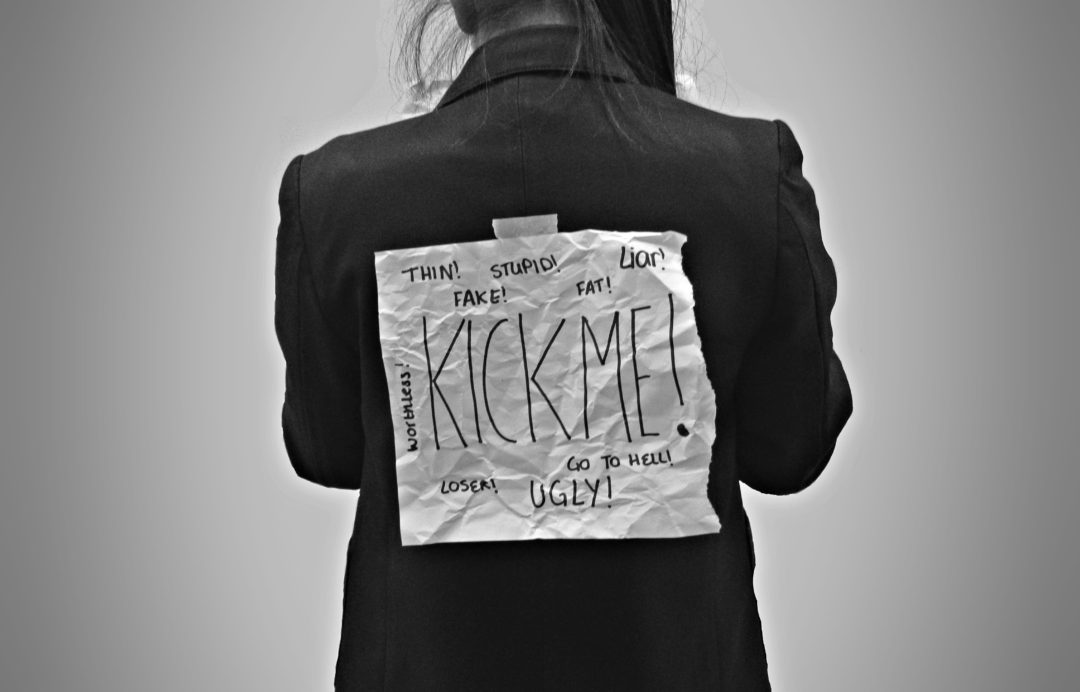
When we strive to become better than we are, everything around us becomes better too.
— Paulo Coelho
Speaking ill of someone, to their face or behind their back, has become socially acceptable. As norms shifted, decorum lapsed, and we’re now standing at the edge of a moral abyss. It is time to reevaluate how we talk to and about each other.
Trash talk started as sport, the language competitors use to rattle an opponent; it’s an accepted part of the game there. But it hasn’t stayed on the field. It has spilled into offices, friendships, and family rooms.
Trash talk, badmouthing, put-downs, gossip- each has its own style, but they share a root. They run on negativity, and negativity builds nothing.
So why does it persist?
Because it works, or seems to. An office manager needles the sales team to hit a quota. A coach belittles players to push performance. The results can look real. But a tactic succeeding doesn’t make it right. A bully who tears someone down to feel bigger is proof enough that outcomes don’t justify methods.
We also tend to forget the cost amid gossip. What we put out tends to come back. Cause and effect outlast the moment of insult.
If you don’t have anything nice to say, don’t say anything at all; it wasn’t just a scolding, it was an early lesson in owning both our words and our conduct.
Our collective moral compass needs recalibrating. Sportsmanship, civility, decency- these aren’t old-fashioned. They are overdue. And they are essential.
What we tolerate, we normalize. But the reverse is also true: raise the tone of our own conduct, and it ripples outward. Replace the satisfaction of cutting someone down with the better payoff of watching people succeed and recognizing that their success doesn’t cost us anything.
So let’s trash the trash talk and become the world we want to live in.
“Watch your thoughts; they become words. Watch your words; they become actions. Watch your actions; they become habits. Watch your habits; they become character. Watch your character; it becomes your destiny.”
— Lao-Tze



Paola
I love to read what you write Charisse, thanks for sharing your wonderful thoughts.
I agree 100% that the mean trash talk that happens in life and social media has to stop, we have to become a more positive, inclusive and loving society, that admires and learns from each other’s differences. Whenever we help others grow, we ourselves grow. If we hurt people, we also hurt ourselves.
Love you!
charisse
Paola, Thank you for your words. I miss seeing you and enjoying your vibrant energy! Besos, C